Чому вашому бізнесу потрібна універсальна платформа для роботи з нерухомістю CRM
Укладення угоди на ринку нерухомості рідко залежить від удачі. Все зводиться до того, хто першим зв’яжеться з клієнтом, хто пам’ятає про його бюджет і хто ніколи не дозволяє перспективному клієнту втратити інтерес. Саме цю прогалину й покликана заповнити система « CRM ».
Якщо ви коли-небудь задавалися питанням, що таке « CRM » у сфері нерухомості, то коротка відповідь така: це система, яка дозволяє упорядкувати інформацію про кожного покупця, продавця, об’єкт нерухомості та переговори в одному місці — щоб нічого не випало з поля зору.
Що таке « CRM » у сфері нерухомості та як це працює?
Платформа управління взаємовідносинами з клієнтами ( CRM ) для сфери нерухомості відстежує кожну взаємодію вашого агентства з потенційним клієнтом або клієнтом — від першого запиту до укладення угоди та далі. Замість того, щоб маніпулювати електронними таблицями, стікерами та розрізненими ланцюжками листів, агенти працюють з єдиної інформаційної панелі, яка відображає статус потенційного клієнта, історію спілкування та наступні кроки.
По суті, ця платформа об’єднує три елементи, які агентствам зазвичай важко узгодити між собою: контакти, об’єкти нерухомості та завдання. Коли новий потенційний клієнт заповнює форму на вашому веб-сайті, система « CRM » автоматично реєструє цю інформацію, призначає її агенту та запускає послідовність дій для подальшої роботи з клієнтом — без необхідності ручного введення даних.
Роль CRM у діяльності агентств нерухомості
Роль системи управління потенційними клієнтами ( CRM ) у сфері нерухомості виходить за межі простого зберігання контактних даних. У брокерській компанії, де працюють десятки активних агентів, система управління потенційними клієнтами ( CRM ) стає спільною пам’яттю бізнесу. Менеджери можуть бачити, які агенти швидко реагують, які потенційні клієнти затягують процес і де у ланцюжку продажів відбуваються втрати доходу.
Згідно з результатами технологічного опитування Національної асоціації ріелторів, агентства, які впровадили програмне забезпечення « CRM », відзначають швидше реагування на нові запити — це фактор, безпосередньо пов’язаний із коефіцієнтом конверсії, оскільки дослідження послідовно показують, що потенційні клієнти, з якими зв’язуються протягом п’яти хвилин, набагато частіше стають реальними клієнтами, ніж ті, з якими зв’язуються через годину.
Основні особливості сайту CRM , на які варто звернути увагу
Не кожна система управління нерухомістю ( CRM ) розроблена з урахуванням потреб фахівців у сфері нерухомості. Ось які функції системи управління нерухомістю CRM дійсно мають значення:
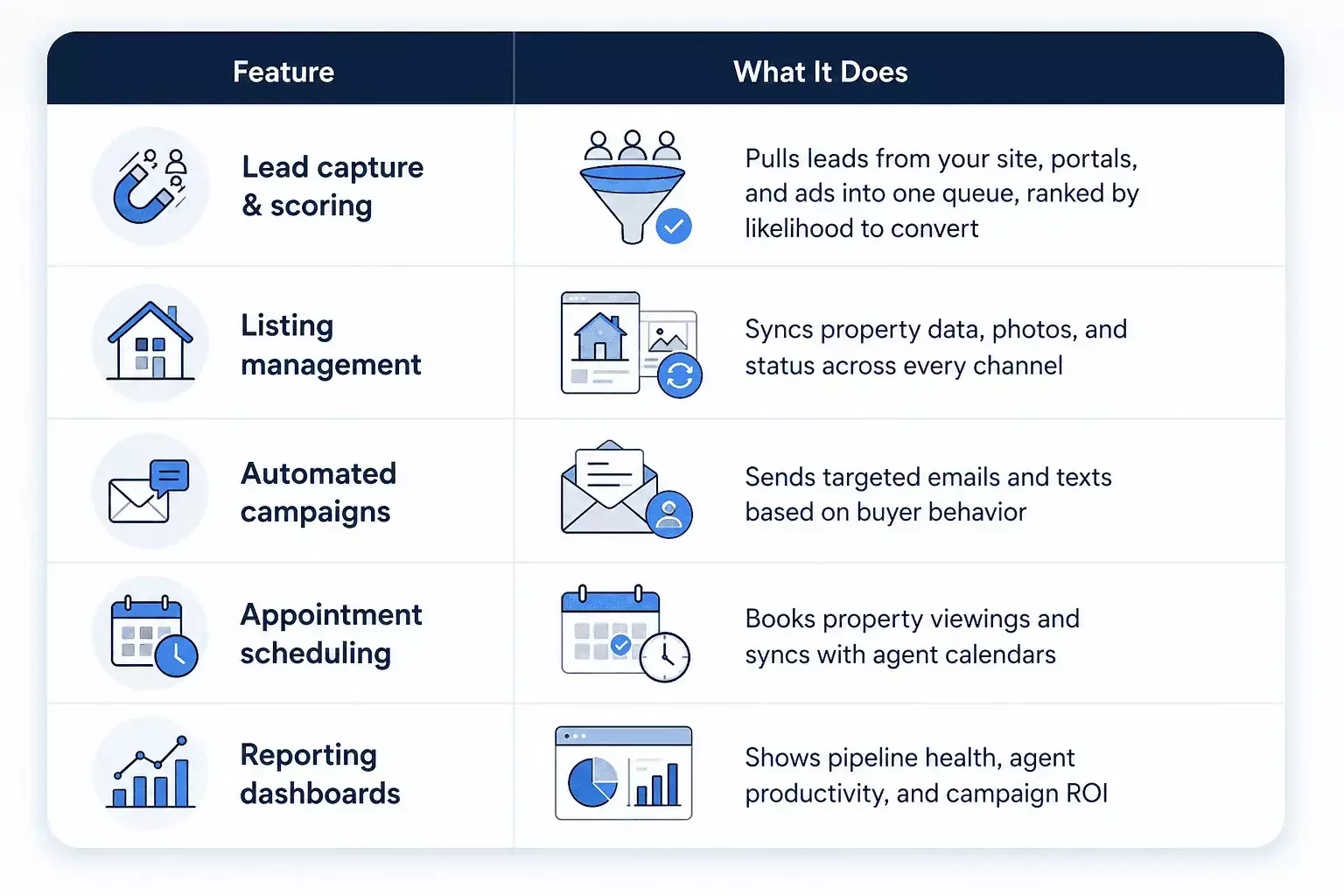
✅ Порада: Перш ніж зареєструватися, замовте пробну версію та перевірте, як платформа обробляє реального потенційного клієнта — від прийому запиту до призначення зустрічі. У демо-середовищі рідко можна виявити проблеми у робочому процесі так, як це відбувається під час реального використання.
Якщо ви порівнюєте платформи, такі інструменти, як Zoho CRM для сфери нерухомості — варто звернути на них увагу: вони розроблені спеціально з урахуванням робочих процесів у сфері нерухомості, а не є адаптованими версіями загального програмного забезпечення для продажів.
Основні переваги « CRM » у сфері нерухомості
Переваги у сфері нерухомості після використання CRM проявляються у трьох основних аспектах: економія часу, підтримка інтересу потенційних клієнтів та лояльність клієнтів, яка зберігається й після першої угоди.
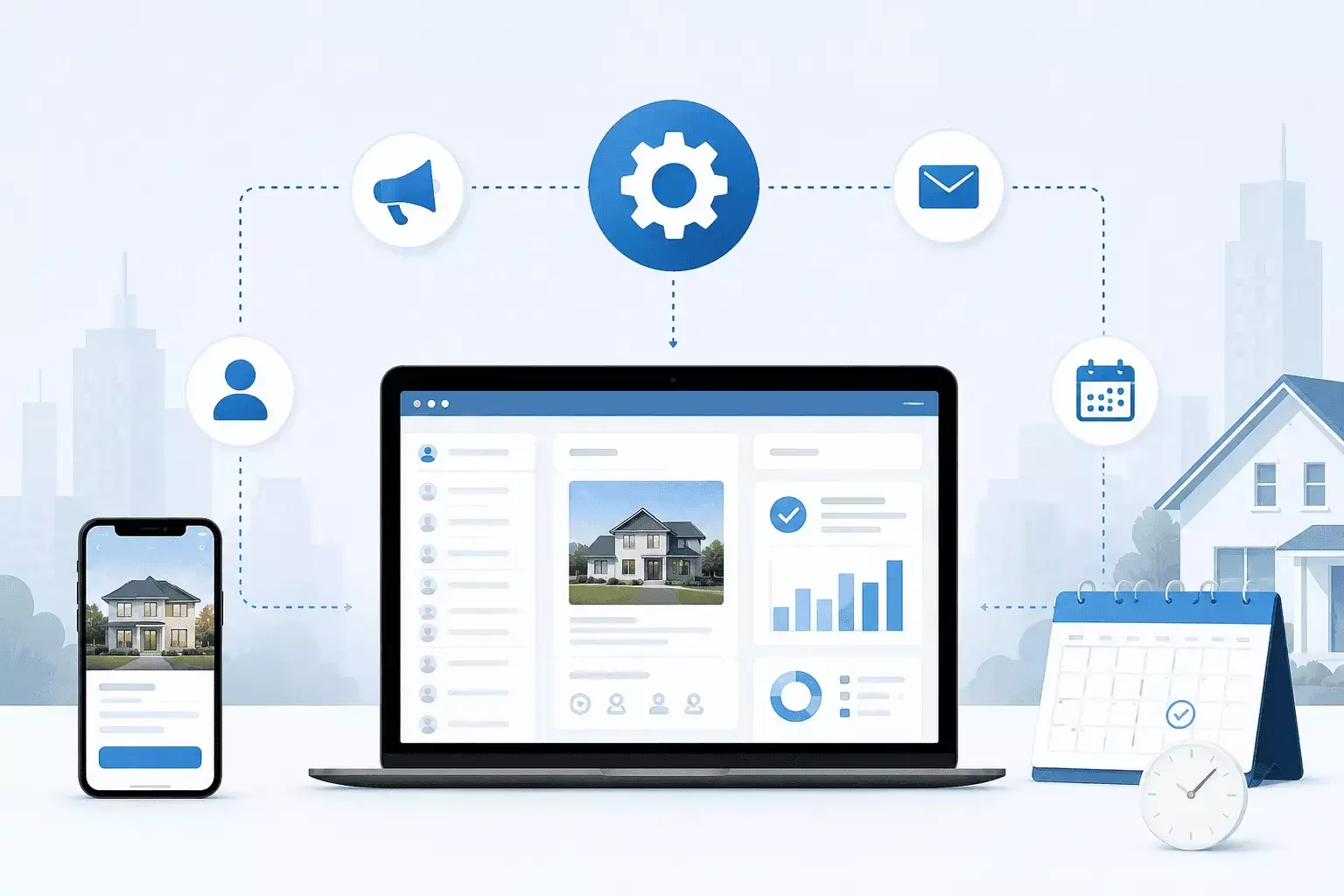
Автоматизація робочих процесів у сфері нерухомості
Одна середня за розміром брокерська компанія в Техасі повідомила, що скоротила адміністративну роботу на одного агента майже на третину завдяки автоматизації розподілу потенційних клієнтів та надсилання листів із супровідними повідомленнями — час, заощаджений таким чином, було спрямовано безпосередньо на зустрічі з клієнтами та огляди нерухомості. Це типова ситуація: автоматизація не замінює агентів, а звільняє час для тих аспектів роботи, які насправді потребують людського втручання.
ℹ️ Примітка: Автоматизація працює найефективніше, коли використовуються актуальні дані. Якщо записи про контакти застарілі або дублюються, навіть найкращі кампанії не дають очікуваних результатів.
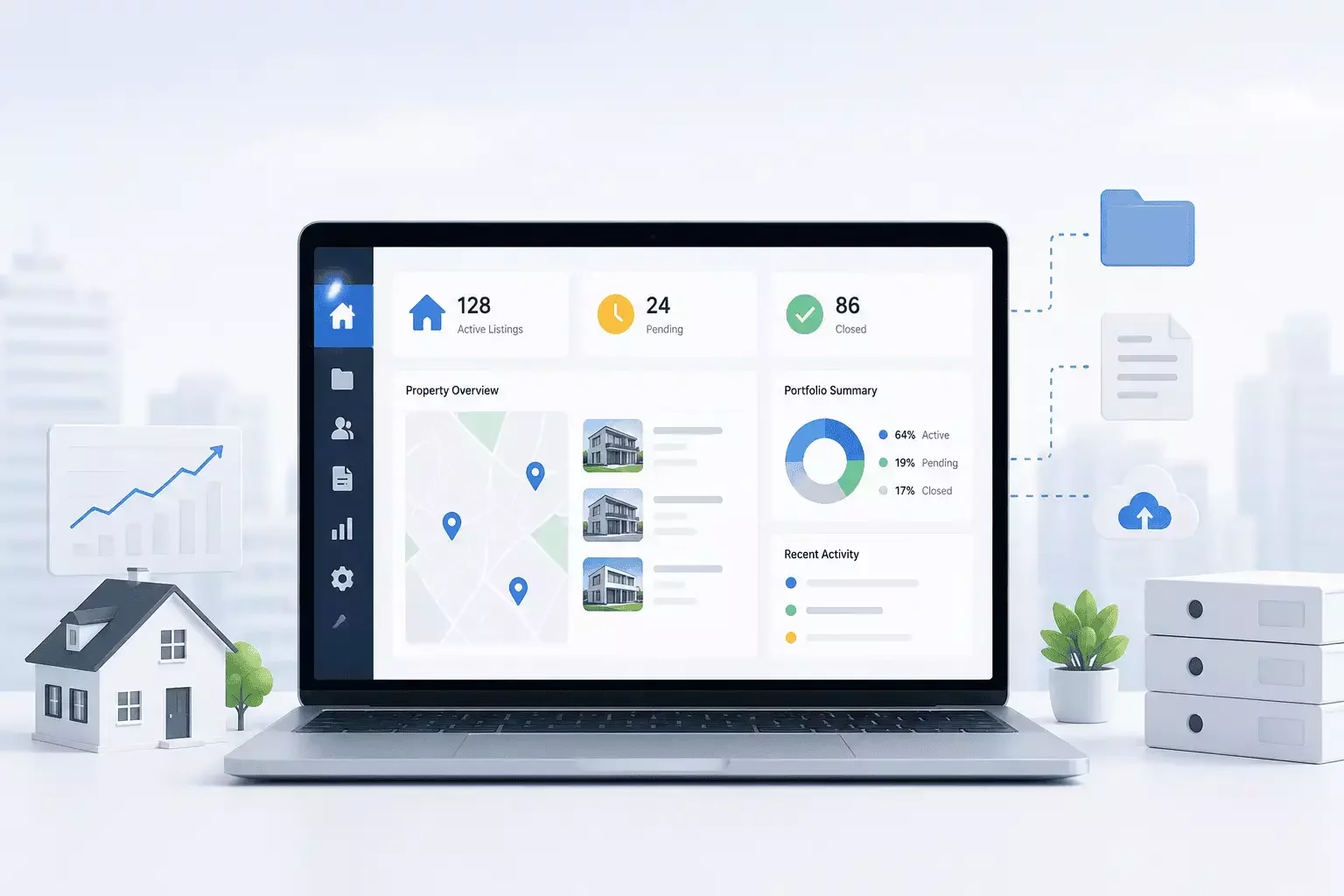
Програмне забезпечення для вдосконаленого управління портфелем нерухомості
Це також має значення з точки зору дотримання нормативних вимог. Агентства, що працюють з численними об’єктами нерухомості в різних регіонах, часто потребують впорядкованої документації для проведення аудитів та складання звітності перед регуляторними органами — а розрізнена система зберігання документів значно ускладнює цей процес.
Перелік основних аспектів, які зазвичай охоплює управління портфелем інвестицій:
Відстеження статусу об’єкта нерухомості (активний, у процесі розгляду, закритий)
Зберігання документів та договорів
Інформація про власників та історія транзакцій
Автоматичне оновлення оцінок
Інтеграція з MLS та порталами оголошень про нерухомість
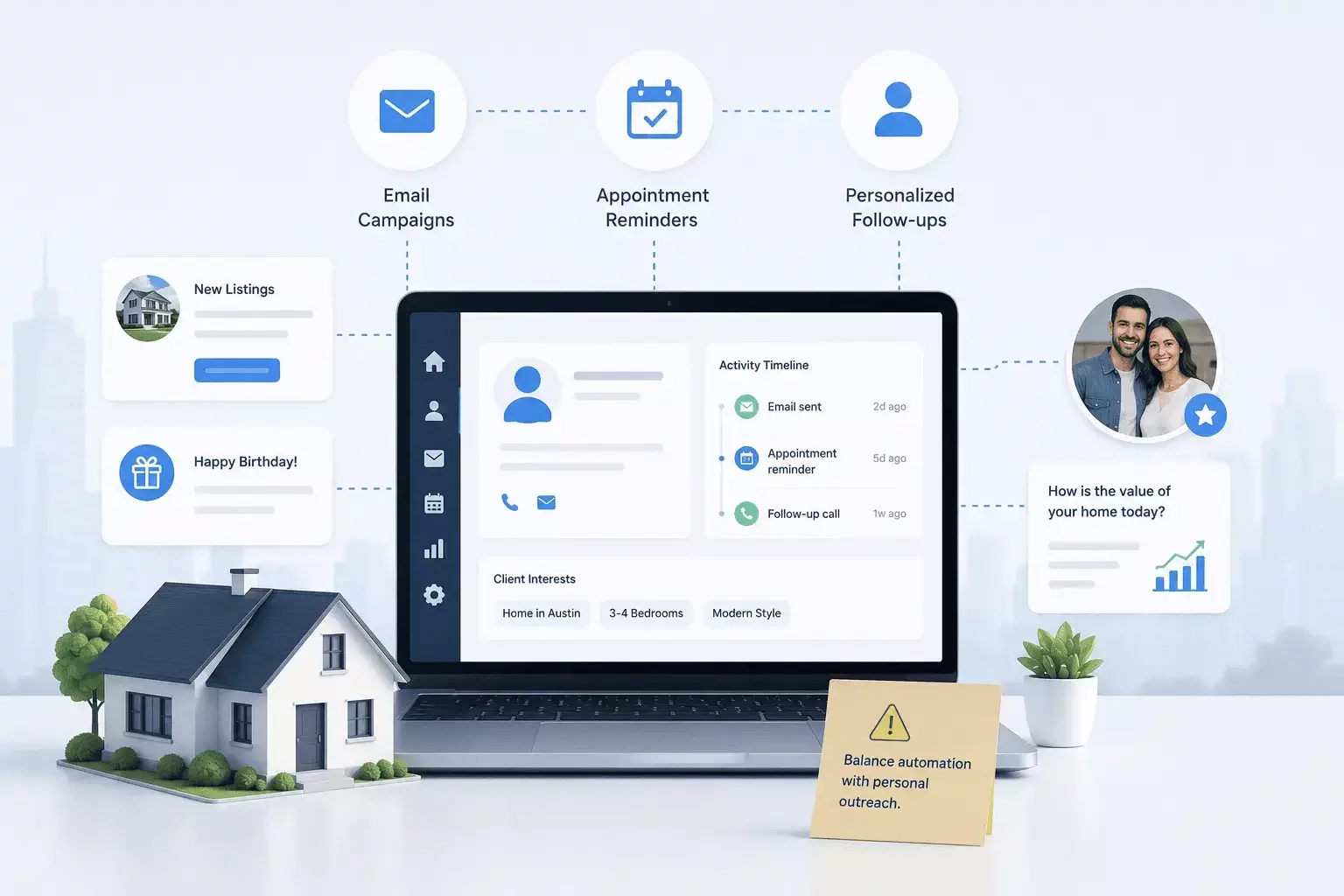
Покращення роботи з потенційними клієнтами та утримання клієнтів
Більшість покупців не здійснюють покупку після першого звернення. Автоматизована система управління потенційними клієнтами ( CRM ) забезпечує постійний зв’язок — за допомогою розсилок електронною поштою, нагадувань про зустрічі та персоналізованих повідомлень — завдяки чому потенційні клієнти не залишаються без уваги в період між першим дзвінком і остаточним продажем.
Утримання клієнтів має таке ж важливе значення, як і залучення нових. Колишні клієнти є надійним джерелом рекомендацій та повторних угод, а система « CRM » дозволяє легко підтримувати з ними зв’язок, надсилаючи привітання з днем народження, новини ринку або інформацію про вартість їхньої нерухомості.
⚠️ Увага: надмірна автоматизація спілкування з клієнтами може мати зворотний ефект. Якщо кожне повідомлення виглядає як шаблон, клієнти це помічають. Потрібно знаходити баланс між автоматизованими кампаніями та щирим, особистим спілкуванням у ключові моменти.
Чому варто вибрати комплексну послугу з нерухомості CRM
Універсальна платформа для роботи з нерухомістю CRM об'єднує інструменти, за які агентства інакше платили б окремо — маркетинг через електронну пошту, планування зустрічей, зберігання документів та звітність — в єдину підписку з уніфікованими даними.
Це має значення для продуктивності персоналу. Коли операторам не доводиться перемикатися між п’ятьма різними apps , щоб укласти одну угоду, вони укладають більше угод і роблять це швидше. Це також скорочує час на навчання нових співробітників, оскільки одна система охоплює весь життєвий цикл клієнта.
Агентствам, які вже використовують Zoho в інших відділах, варто ознайомитися з CRM рішення для нерухомості — це цілком логічний наступний крок, оскільки дані та робочі процеси залишаються пов’язаними в межах всієї компанії, а не розрізненими у різних інструментах.
Часті запитання
Як залучити потенційних клієнтів для продажу нерухомості?
Запити, як правило, надходять через контактні форми на вашому веб-сайті, платну рекламу ads, портали з оголошеннями, такі як Zillow, рекомендації та дні відкритих дверей. Система управління потенційними клієнтами ( CRM ) об’єднує всі ці джерела в єдиний канал, завдяки чому жоден запит не пропускається.
Як управляти потенційними клієнтами у сфері нерухомості?
Ефективне управління потенційними клієнтами передбачає оцінку їхніх намірів, швидке розподілення їх між відповідними операторами та проведення подальшої роботи за чітким графіком. Програмне забезпечення CRM автоматизує більшу частину цього процесу — від першого контакту до укладення угоди.
Що означає абревіатура « CRM » у сфері нерухомості?
CRM скорочення від «Customer Relationship Management» (управління взаємовідносинами з клієнтами). У сфері нерухомості цей термін позначає програмне забезпечення, яке дозволяє організувати взаємодію з клієнтами, об’єкти нерухомості та угоди на єдиній централізованій платформі.
Які основні переваги у сфері нерухомості можна отримати після використання сайту CRM?
Агентства, як правило, відзначають швидше реагування на запити потенційних клієнтів, краще впорядковані списки об’єктів нерухомості, підвищення рівня утримання клієнтів, а також більш чітке уявлення про ефективність роботи агентів та стан портфеля угод.
Як агентство нерухомості CRM покращує управління нерухомістю?
Завдяки централізації даних про об’єкти нерухомості, документів та інформації про стан справ система « CRM » дозволяє зменшити кількість помилок, пов’язаних з ручною обробкою даних, та спрощує відстеження кожного об’єкта нерухомості від моменту виставлення на продаж до укладення угоди — включаючи документацію щодо дотримання нормативних вимог.
Чи потрібна автоматизація для невеликих агентств нерухомості?
Це не є обов’язковим, але дуже корисно. Навіть агенти, які працюють самостійно, отримують користь від автоматизованих кампаній з супроводу клієнтів та нагадувань про зустрічі, оскільки ручне відстеження стає схильним до помилок у міру зростання списку клієнтів.
Хочете інтегрувати ці інструменти в існуючий робочий процес?
Впровадження системи впровадження Zoho може допомогти агентствам перенести дані та налаштувати автоматизацію без переривання поточних угод.